The U.S. Could Lose Its Measles Elimination Status. Here’s What That Actually Means.
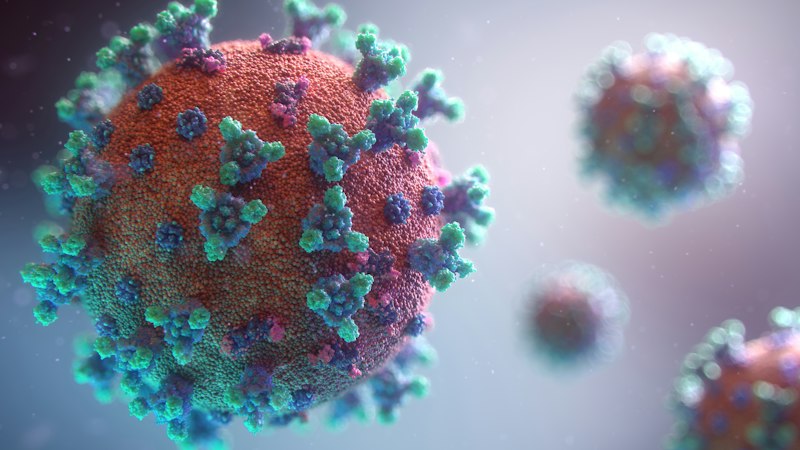
Photo: CDC Public Health Image Library (PHIL), Photo ID 3168 (public domain).
When you hear “the U.S. could lose its measles elimination status,” it sounds like a bureaucratic label. It is not. That status is a shorthand for something very practical: whether measles is mostly an imported spark that public health teams can quickly put out, or whether it has become a year-round, self-sustaining fire.
In early March, the CDC reported 1,281 confirmed measles cases in 2026 so far, across 31 jurisdictions. The majority are tied to outbreaks. The CDC also reports that for the full year of 2025 there were 2,242 confirmed cases, a 33-year high (highest since 1992). Together, the numbers make one thing clear: the U.S. is no longer flirting with a “bad measles year.” We are pushing into territory that starts to test the definition of elimination.
This post explains what elimination means, what would actually change if the U.S. lost it, and what families can do right now. No panic. Just the facts and the practical steps.
First: “elimination” does not mean zero measles
The CDC says measles was declared eliminated from the United States in 2000. Since then, cases still happen. The difference is that measles has not had continuous, year-round spread rooted inside the U.S.
In public health terms, elimination is about ending endemic transmission. Put plainly, the virus can still be brought in by travel and cause outbreaks, but those outbreaks fizzle out rather than becoming the new normal.
A helpful mental model: Elimination is not “no sparks.” It is “no permanent flame.”
What the CDC numbers are saying right now
Here are the details from the CDC’s national measles case and outbreak page, updated March 6, 2026:
- 2026 to date (as of March 5): 1,281 confirmed cases.
- Outbreaks in 2026: 12 new outbreaks reported; 89% of 2026 cases are outbreak-associated.
- 2025 total: 2,242 confirmed cases, with 50 outbreaks reported.
- 2025 severity: 3 deaths and 245 hospitalizations.
- Vaccination status: The CDC’s measles surveillance data show 94% of cases are in unvaccinated individuals or those with unknown vaccination status.
Those are national totals. The more concerning story is what happens when cases concentrate in one area for months. South Carolina is the clearest example in the data being discussed publicly: a large cluster of 991 cases centered around Spartanburg County, with case counts that are unusually high for one state.
Measles spreads through the air and can linger for up to two hours after an infected person leaves a room. When it gets into communities with low MMR coverage, it does what it always does: it outruns the ability of schools, clinics, and health departments to contain it with contact tracing alone.
So what would it mean to “lose elimination status”?
For most families, losing elimination status would not change the basics of what protects you. The MMR vaccine is still the best tool, and it still works very well. Two doses are about 97% effective at preventing measles, according to the CDC.
But the label matters because it signals a shift in risk. If the U.S. loses elimination status, it would mean measles is no longer just a travel-linked problem plus occasional outbreaks. It would mean the virus has re-established sustained transmission in the U.S. across time and geography.
It would also not be unprecedented. In January 2026, the UK and five European countries lost their measles elimination status. Canada lost its status in 2025.
In practice, that kind of shift would likely bring:
- More routine exposures in schools, daycares, and crowded indoor spaces, not just in a few headline outbreaks.
- More disruption from quarantine guidance, exclusion policies for unvaccinated students during exposure windows, and overwhelmed local health departments.
- More hospitalizations, especially in children under 5 and people with weakened immune systems. Measles is not just a rash. It can lead to pneumonia and encephalitis.
- Higher stakes for infants who are too young for routine vaccination and rely on the immunity of the people around them.
Why this keeps happening: coverage is slipping, and measles finds the gaps
Measles is unforgiving. The CDC notes that when MMR coverage is above 95%, communities benefit from strong community immunity. The problem is that national averages hide local reality.
On the same CDC case and outbreaks page, CDC reports that vaccination coverage among U.S. kindergartners fell from 95.2% (2019 to 2020) to 92.5% (2024 to 2025). That drop sounds small until you translate it into people. The CDC estimates roughly 286,000 kindergartners were at risk in the 2024 to 2025 school year.
Also, coverage is not evenly distributed. When a school, neighborhood, or county has clusters of undervaccinated families, measles does not need a national collapse in vaccination to spread. It only needs one infected traveler, one church gathering, one daycare classroom, one emergency room waiting area, or one crowded indoor event.
Vaccine hesitancy is part of this, but not the whole story. Some families struggle with access, insurance, transportation, or simply getting appointments in a narrow window. Confusing messaging does not help, especially when it minimizes measles as a routine nuisance instead of a preventable threat to kids and medically vulnerable adults.
Quick reality check: If you are vaccinated, your personal risk is much lower. But “much lower” is not the same thing as “zero,” especially during a large outbreak with intense exposure opportunities.
What you should do now (even if you do not live in an outbreak area)
1) Make sure everyone in your household has the right number of MMR doses
For kids, the routine schedule is two doses. For adults, the right answer depends on your risk factors and whether you have evidence of immunity. If you are unsure, the most practical move is to talk with your clinician or pharmacist and review your vaccine record.
If records are missing, the CDC notes it is generally safe to get MMR again. Some people choose to get a blood test (measles IgG titer) instead, but in many settings a documented vaccine dose is the simpler path.
2) If you are planning international travel, do not wait
International travel is still a common way measles is reintroduced. The CDC recommends that international travelers be fully vaccinated before they go. One detail parents miss: infants 6 to 11 months old should get an early MMR dose before international travel, then still complete the routine two-dose series after their first birthday.
3) Know the first symptoms, and call ahead if measles is possible
Measles usually starts with fever, cough, runny nose, and red watery eyes. The rash tends to appear a few days later. If someone in your household has a fever and a rash and you suspect measles, do not walk into a waiting room without calling first. Clinics and health departments have protocols to reduce exposure to other patients.
4) Use local outbreak information, not rumors
Measles outbreak info spreads fast on social media. Unfortunately, inaccurate advice spreads even faster. For a quick overview of where cases are being reported, use our Outbreak Map. For official case counts, the CDC’s national page is the best starting point.
Need an MMR appointment?
Use our Find a Vaccine page to locate clinics and pharmacies near you.
Find MMR VaccinesOne more thing: elimination status is not a trophy. It is a warning system.
People sometimes hear “elimination” and assume it is a victory lap from the past. It is better to think of it as a measure of how fragile or resilient a community’s protection has become.
When vaccination coverage stays high, imported measles cases remain small outbreaks. When coverage slips and clusters form, measles reasserts itself quickly. That is why the current trend is not just about this year’s case count. It is about whether the U.S. keeps the conditions that made elimination possible in the first place.
If you want one practical takeaway, it is this: check your family’s MMR status before you need it. During an outbreak, appointment slots disappear fast, and post-exposure decisions get stressful. A ten-minute record check now can prevent a week of worry later.
Sources (March 2026)
- CDC. Measles cases and outbreaks (updated March 6, 2026).
- CDC. About measles (includes U.S. elimination statement and transmission basics).
- CDC. Measles vaccination (MMR and MMRV).
- CDC. Plan for travel: Measles.
- CDC. CDC PHIL image: Measles rash, Photo ID 3168 (public domain).
- Healthline. Measles outbreak 2026: Rising cases threaten U.S. elimination status (accessed March 2026).